
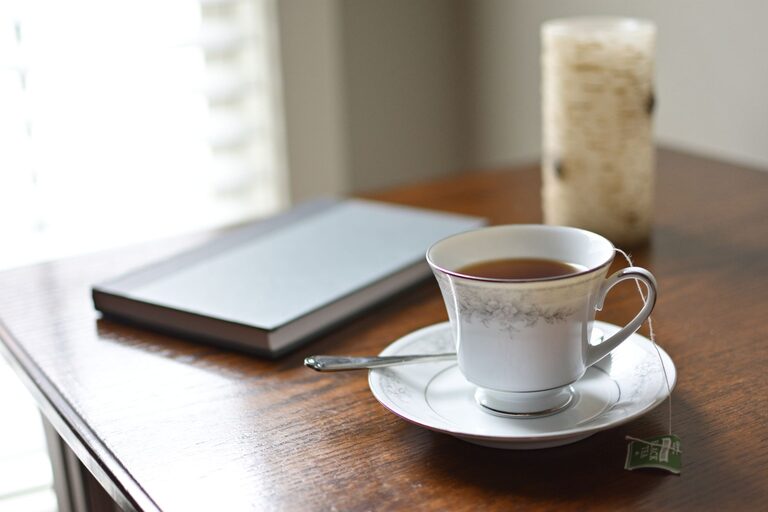
A calmer evening does not require a complete lifestyle change. Often, a few small adjustments can make the hours after work, school, or daily responsibilities feel more manageable. The goal is not to create a perfect schedule. It is to reduce unnecessary decisions, make transitions easier, and leave room for rest.
Try one or two ideas at first rather than changing everything at once. Small habits are more likely to last when they fit naturally into your existing routine.
Start with a gentle transition
The shift from a busy day to a quieter evening can feel abrupt. Give yourself a short transition period instead of moving directly from one task to the next.
This might include:
– Changing into comfortable clothing
– Putting away work materials
– Taking a brief walk
– Making a cup of tea or another favourite drink
– Sitting quietly for five minutes
– Playing calm music while preparing dinner
A transition ritual helps mark the end of one part of the day and the beginning of another. It does not need to take long. Even 10 minutes can create a useful pause.
If you work from home, try to create a clear end-of-work signal. Close your laptop, tidy your workspace, or write down the first task for tomorrow. This can make it easier to stop thinking about unfinished work during the evening.
Reduce the number of decisions
Even simple choices can add to a busy evening. Planning a few details ahead of time can free up attention when you are tired.
Consider preparing:
– A short list of easy dinner options
– Clothes for the next day
– A basic morning checklist
– A designated place for keys and bags
– A small selection of evening activities
You do not need to plan every minute. A few reliable options are enough. For example, you could create a list of five simple meals and rotate through them during the week. Keep a few quick alternatives available for evenings when cooking feels like too much.
The same approach can work for entertainment. Instead of scrolling through countless choices, make a short list of books, shows, podcasts, or hobbies you already enjoy.
Create a simple evening anchor
An evening anchor is one activity that happens at roughly the same time each day. It might be dinner, a short tidy-up, a shower, reading, or preparing the kitchen for the morning.
The anchor gives your evening a predictable shape without requiring a strict timetable. For example:
- Finish the day’s main responsibilities.
- Eat dinner or have a light snack.
- Spend 10 minutes resetting the space.
- Choose a quiet activity.
- Prepare for bed at a comfortable time.
The exact order is less important than having a familiar sequence. A predictable pattern can make it easier to move through the evening when motivation is low.
Make the space easier to settle into
Your surroundings can influence how an evening feels. A few practical changes may help create a softer atmosphere.
Try:
– Dimming bright lights after dinner
– Clearing one visible surface
– Putting frequently used items within easy reach
– Using a basket for objects that need to be put away later
– Keeping blankets, books, or other relaxing items in one place
– Reducing background noise when possible
You do not have to clean the entire home. Choose one small area that you use most in the evening, such as the living room, kitchen table, or bedroom. A five-minute reset can make the space feel more inviting without becoming another major task.
Add a short tidy-up, not a full cleaning session
A brief reset can prevent small tasks from piling up, but evening cleaning should remain manageable. Set a timer for five or 10 minutes and focus only on the most useful jobs.
You might:
– Load or stack dishes
– Wipe the kitchen counter
– Put away items from the main living area
– Take out recycling
– Set up the coffee maker or kettle
– Pack a bag for the next day
When the timer ends, stop or continue only if you still have energy. The purpose is to make tomorrow easier, not to complete every household task before resting.
Choose low-effort ways to unwind
Rest does not have to be productive. Give yourself permission to choose activities that are pleasant and simple.
Some options include:
– Reading a few pages
– Listening to music
– Stretching gently
– Working on a puzzle
– Drawing or colouring
– Enjoying a hobby without a performance goal
– Having a quiet conversation
– Spending time outdoors for a few minutes
It can help to keep a short list of activities that feel refreshing. On a tiring evening, you can choose from the list rather than trying to decide what you want to do.
Set clearer boundaries around screens
Screens can be part of a relaxing evening, but open-ended browsing may make the night feel less settled. Try adding a small amount of structure.
You could:
– Decide what you want to watch before turning on the television
– Set a stopping point for social media
– Keep your phone away during meals
– Charge devices in one consistent location
– Use a timer for activities that tend to stretch longer than planned
These are not rules that must be followed perfectly. They are prompts that help you notice whether your screen use is supporting the evening you want.
Prepare one thing for tomorrow
A calmer evening often begins with making the next morning slightly easier. Choose one preparation task rather than creating a long checklist.
For example:
– Put out your clothes
– Pack a lunch or snack
– Review the next day’s appointments
– Place important items by the door
– Write down one priority for the morning
Keeping this task small prevents preparation from taking over your evening. If you have several things to remember, write them down in one place so they are not competing for your attention.
Leave room for flexibility
A useful routine should support real life, including late meetings, family needs, unexpected chores, and evenings when you have very little energy. Build in a shorter version of your routine for those days.
A five-minute version might include:
- Put away one or two important items.
- Prepare one thing for tomorrow.
- Choose a quiet activity.
- Turn off unnecessary lights or devices.
- Give yourself permission to stop.
This flexible approach is more practical than expecting the full routine every night. Returning to a routine after a busy day is easier when there is no sense that you have failed.
Notice what actually helps
After trying a few changes, pay attention to which ones make the greatest difference. You might find that preparing breakfast helps more than tidying, or that a short walk works better than listening to music.
Keep the habits that feel useful and remove those that create extra pressure. A calmer evening routine should be personal, uncomplicated, and adaptable.
The best routine is not the most detailed one. It is the one that helps you move from a busy day towards rest with fewer decisions and a little more ease.