
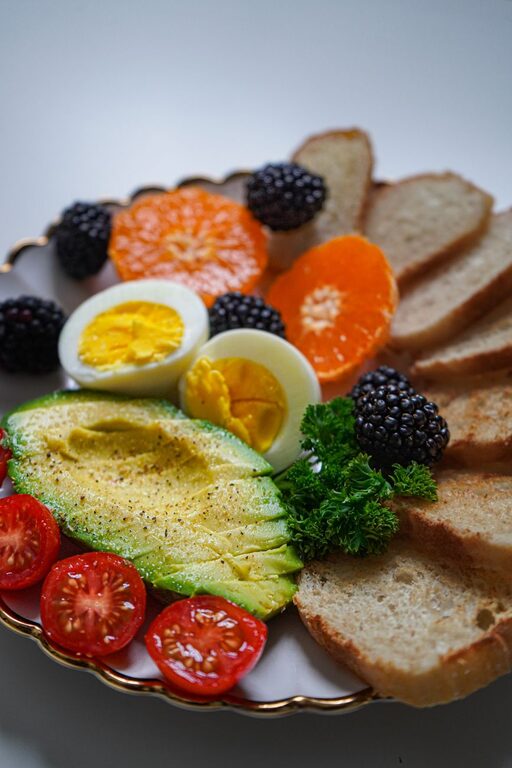
Planning balanced meals does not have to mean following a strict menu or preparing every dish from scratch. A practical approach is to create meals with a mix of food groups, keep a few reliable ingredients on hand, and leave room for flexibility.
The goal is not perfection. It is to make everyday choices easier, reduce last-minute decisions, and enjoy a variety of foods that suit your household.
Start with a simple meal formula
A balanced meal can be built from a few basic parts:
– Vegetables or fruit: Add colour, texture, and variety.
– Protein-rich foods: Include options such as beans, lentils, eggs, fish, chicken, tofu, yoghurt, or nuts.
– Whole grains or other carbohydrates: Try oats, brown rice, whole-grain bread, potatoes, pasta, or corn.
– A source of healthy fats: Use foods such as avocado, seeds, nuts, olive oil, or nut butter.
You do not need every part to appear in exact amounts at every meal. Instead, use the formula as a helpful guide. For example, a bowl might include rice, roasted vegetables, chickpeas, and a simple dressing. A breakfast could be oatmeal topped with fruit, seeds, and yoghurt.
This approach is flexible enough for different cuisines, budgets, and cooking styles.
Plan around your real schedule
Before choosing meals, look at the week ahead. Consider work hours, school activities, appointments, social plans, and the nights when you will have less time to cook.
A useful plan might include:
– Two or three quick meals
– One or two meals that create leftovers
– One flexible meal using ingredients already available
– A simple option for especially busy evenings
There is no need to plan seven completely different dinners. Repeating favourite meals can save time and make shopping easier. You can also prepare one main ingredient and use it in different ways. For example, roasted vegetables can be served with rice one day, added to wraps the next, and mixed into an omelette later in the week.
Choose meals by category
Instead of selecting a specific recipe for every day, create a short list of meal categories. This gives you structure without making the plan feel restrictive.
Try categories such as:
– Soup or stew
– Grain bowls
– Pasta or noodles
– Tacos or wraps
– Sheet-pan meals
– Stir-fries
– Eggs with toast and vegetables
– Leftover combinations
Once you choose a category, select ingredients based on what you already have. A stir-fry can include nearly any combination of vegetables, protein, and noodles or rice. Wraps can be filled with beans, chicken, cheese, salad greens, or leftover roasted vegetables.
This method reduces the pressure to find new recipes every week.
Keep a flexible ingredient list
A well-planned kitchen does not need to be full of specialty products. Focus on versatile ingredients that can be used in several meals.
Helpful staples
– Oats, rice, pasta, potatoes, or whole-grain bread
– Canned beans, lentils, tuna, or tomatoes
– Eggs, tofu, cheese, or plain yoghurt
– Frozen vegetables and fruit
– Fresh onions, carrots, or leafy greens
– Nuts, seeds, or nut butter
– Olive oil and a few favourite herbs and spices
Frozen and canned foods can make meal planning easier. They often last longer, reduce food waste, and require little preparation. Choose lower-sodium canned products when available, or rinse canned beans before using them.
Use a mix of fresh, frozen, and prepared foods
Balanced meals do not have to be made entirely from basic ingredients. Prepared foods can be useful when they help you put together a meal at home.
For example, you might combine:
– A bagged salad with canned beans and whole-grain bread
– Frozen vegetables with pre-cooked rice and eggs
– Store-bought soup with a sandwich and fruit
– Rotisserie chicken with potatoes and steamed vegetables
– Hummus with whole-grain pita and chopped vegetables
The best meal plan is one you can follow. Using convenient ingredients can help you cook more often while keeping effort manageable.
Plan for leftovers on purpose
Leftovers are one of the easiest ways to reduce cooking time. When preparing a meal, consider making extra portions of one or two ingredients rather than doubling the entire recipe.
For example:
– Cook extra rice for bowls or fried rice.
– Roast additional vegetables for wraps or omelettes.
– Make a larger batch of beans or lentils for soups and salads.
– Prepare extra chicken or tofu for sandwiches and lunches.
Store leftovers in clearly labelled containers and keep them easy to see in the refrigerator. If you know you will not eat them soon, freeze suitable portions for another day.
To keep meals interesting, change the presentation or add a new sauce, topping, or side dish.
Create a short list of emergency meals
Even the best plan can be interrupted. Having a few dependable meals available can prevent stressful decisions when you are tired or short on time.
Emergency meals could include:
– Scrambled eggs with toast and sliced fruit
– Pasta with tomato sauce, frozen vegetables, and cheese
– Bean and cheese quesadillas with salsa
– A baked potato topped with beans and yoghurt
– A smoothie with fruit, yoghurt, and oats
– A simple soup served with toast
Keep the ingredients for these meals in your pantry or freezer. They do not need to be elaborate. Their purpose is to provide an easy option when cooking a full meal is not realistic.
Make grocery shopping easier
A short, repeatable shopping routine can save both time and money. Before going to the store, check your refrigerator, freezer, and pantry. Then write your list by section, such as produce, protein foods, grains, and pantry items.
You can also use a basic weekly list:
- Choose three or four main meals.
- Select ingredients for breakfasts and lunches.
- Add snacks or simple sides.
- Check what you already have.
- Buy only what supports the plan.
Avoid planning too many meals that use fragile ingredients at once. If you buy fresh greens, berries, or herbs, plan to use them early in the week. Save longer-lasting vegetables and frozen foods for later.
Keep the plan flexible
A meal plan is a guide, not a rulebook. If plans change, move a meal to another day or use what needs to be eaten first. You can also swap ingredients without starting over.
For example, replace:
– Rice with potatoes or bread
– Chicken with beans, tofu, eggs, or fish
– Fresh vegetables with frozen vegetables
– A planned recipe with leftovers
– A complicated side dish with fruit or a simple salad
A flexible plan is more likely to last because it works with real life.
Focus on consistency, not perfection
Balanced meal planning becomes easier with practice. Start with one or two planning habits, such as choosing dinners for three nights or keeping frozen vegetables available. Once that feels comfortable, add another step.
Remember that meals can look different from day to day. The overall pattern matters more than making every plate perfect. By using simple combinations, familiar ingredients, and a flexible schedule, you can make balanced meals feel more manageable and less stressful.