
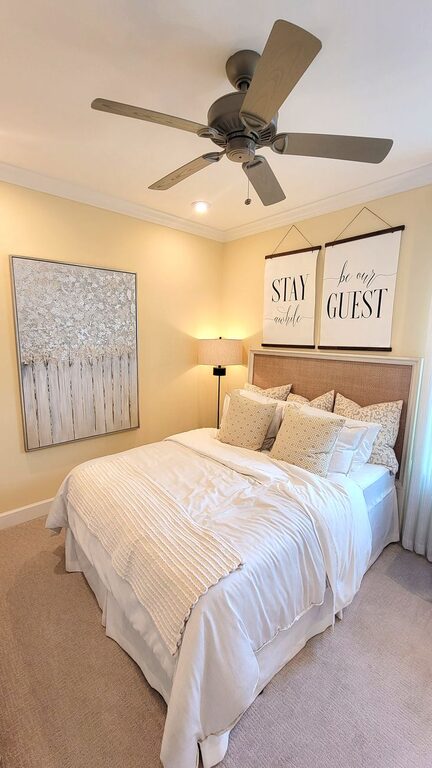
When guests are arriving soon, preparing your home can feel like a bigger task than it needs to be. You do not need a perfect house or an elaborate setup to make visitors feel welcome. A clean, comfortable, and thoughtful space is often all it takes.
Whether you are preparing a spare bedroom, a sofa bed, or a small corner of your home, this quick guide will help you focus on the details that matter most.
Start with a quick plan
Before you begin cleaning or moving furniture, take a few minutes to decide where your guest will sleep, store their belongings, and get ready. This helps you avoid rushing between rooms or forgetting important details.
Focus on three basic questions:
– Where will the guest sleep?
– Where will they put their clothes and bags?
– What will they need during the night and in the morning?
If you have less than an hour, prioritise the sleeping area, bathroom, and main walkway. These spaces have the greatest effect on a guest’s comfort.
Clear and clean the sleeping area
A guest space does not need to be large, but it should feel tidy and easy to use. Begin by removing anything that does not belong in the area. Put away laundry, paperwork, boxes, and personal items that may take up useful space.
Next, complete a quick clean:
- Dust visible surfaces, including bedside tables and shelves.
- Vacuum or sweep the floor.
- Wipe down high-touch areas such as door handles and light switches.
- Empty any rubbish bins.
- Check corners and under the bed for dust or stray items.
If you are using a sofa bed, clear the surrounding area so your guest can move around comfortably. If possible, make the bed before your guest arrives. This immediately makes the space look prepared and saves them from having to figure it out later.
Make the bed comfortable
Comfortable bedding is one of the most important parts of a guest-ready space. Use clean sheets, a fresh pillowcase, and a blanket or duvet suited to the room temperature.
If you are unsure whether your guest prefers a warmer or cooler bed, offer layers instead of relying on one heavy blanket. A lightweight blanket folded at the end of the bed gives guests more choice.
Include at least:
– One comfortable pillow per guest
– A clean sheet and pillowcase
– A blanket or duvet
– An extra blanket if available
– A few spare towels
If the bed or sofa is not especially comfortable, add a mattress topper or extra blanket beneath the sheet. Small adjustments can make a noticeable difference.
Create space for belongings
Guests often feel uncomfortable when they do not know where to put their things. You do not need to empty an entire wardrobe, but try to provide one or two shelves, a drawer, or a section of hanging space.
If storage is limited, place a small luggage stand, bench, or sturdy chair near the bed. This gives guests a place to keep a suitcase without leaving it in the middle of the floor.
You can also provide:
– A few empty hangers
– A small basket for personal items
– A clear surface for glasses, phones, or jewellery
– A laundry bag or reusable bag for clothing
Keep the space practical rather than crowded. A few useful items are better than too many decorative objects.
Prepare the bathroom
A clean, easy-to-use bathroom can make guests feel comfortable right away. Give the room a quick refresh by wiping the sink, mirror, toilet seat, and most visible surfaces. Replace the hand towel and make sure there is enough toilet paper.
Set out clean bath towels where your guest can easily find them. If possible, provide one bath towel and one hand towel per person, along with a face cloth.
It is also helpful to leave basic supplies in an obvious place, such as:
– Hand soap
– Shampoo and conditioner
– Body wash or bar soap
– Toothpaste
– A hair dryer, if available
– Extra toilet paper
You do not need to create a hotel-style display. Simply placing items together in a small basket or on a shelf makes them easier to find.
Add useful bedside essentials
A few items beside the bed can prevent guests from having to search through your home. Keep the bedside area uncluttered and include only what is useful.
Consider providing:
– A lamp or another easy-to-reach light
– A phone charging cable, if you have a spare
– A glass or bottle of water
– An alarm clock, if needed
– A small dish for keys or jewellery
– A note with the Wi-Fi network and password
Make sure the main light switch is easy to locate. If the room is unfamiliar, a small night light can also help guests move around safely after dark.
Set a welcoming temperature and atmosphere
A room that is too warm, cold, bright, or noisy can make it difficult for guests to relax. Before they arrive, check the temperature and adjust the heating, cooling, or fan if necessary.
Open the curtains for a short time during the day to bring in fresh air and natural light. Close them again if privacy is needed. If the room has strong scents, such as cleaning products or air freshener, allow it to air out.
Avoid overpowering fragrances. A fresh, neutral-smelling room is usually more welcoming than one filled with scented candles or sprays.
If the space feels plain, add one or two simple touches, such as:
– A small plant
– A few books or magazines
– A folded throw
– A simple piece of artwork
– Fresh flowers in a small vase
Keep walkways clear and avoid placing decorations where they may be knocked over.
Stock a few refreshments
Guests may arrive tired, hungry, or unsure about your household routine. A small selection of refreshments helps them settle in without needing to ask for everything.
Depending on your space, set out:
– Drinking water
– Tea and coffee
– Milk or a non-dairy option
– A few easy snacks
– Fresh fruit
– Mugs, glasses, and spoons
If your guest has mentioned dietary preferences or allergies, take those into account when choosing snacks. You can also show them where the main kitchen supplies are and explain whether they are welcome to help themselves.
Share the information they need
A short welcome note can make your guest’s stay easier, especially if they are unfamiliar with your home. You can write the information on a card or send it by message before they arrive.
Include details such as:
– The Wi-Fi password
– How to adjust the heating or cooling
– Which bathroom to use
– Where to find towels and extra bedding
– How to lock the door
– Any quiet hours or household routines
– How to reach you if they need help
Keep the instructions friendly and brief. The aim is to make your guest feel independent, not overwhelmed.
Do a final five-minute check
Just before your guest arrives, walk through the space as if you were visiting for the first time. Look for anything that may be inconvenient or unclear.
Check that:
– The bed is made
– The floor is clear
– Lights and lamps work
– Towels are easy to find
– The bathroom has enough supplies
– The Wi-Fi details are available
– The room is a comfortable temperature
– Doors and windows are secure
– Your guest has a clear place for their belongings
Finally, take a moment to welcome your guest and show them the important areas. A warm greeting, a quick tour, and a little flexibility often matter more than perfect décor.
A guest-ready space is created through thoughtful basics: cleanliness, comfort, clear information, and room to settle in. By focusing on these essentials, you can prepare your home quickly while helping your visitors feel relaxed from the moment they arrive.