
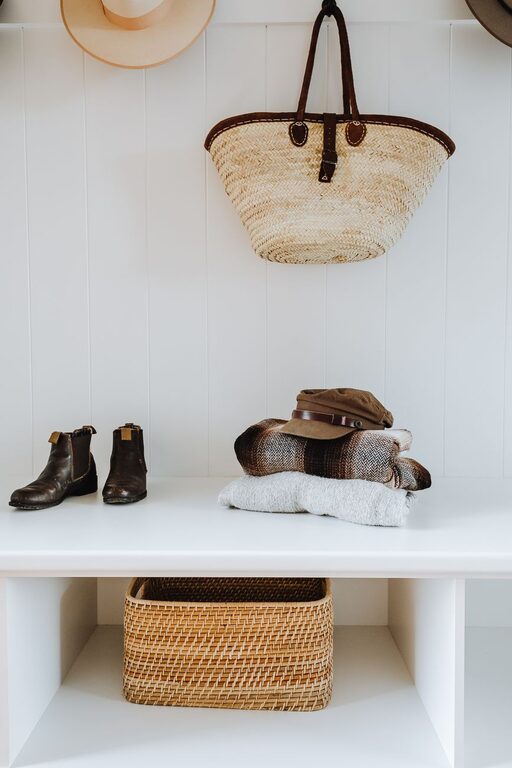
Your entryway is the first part of your home that you see when you arrive and the last place you pass before heading out. Because it handles coats, shoes, bags, keys, mail, and seasonal items, it can quickly become cluttered.
The good news is that you do not need a large hallway or expensive furniture to create a more organized entryway. With a few simple storage solutions and easy daily habits, you can make the space feel calmer, cleaner, and more useful.
Start by Clearing the Clutter
Before adding baskets, hooks, or shelves, remove everything from the entryway. Place items in groups, such as shoes, coats, bags, mail, and miscellaneous objects.
This makes it easier to see what belongs in the space and what does not. Return items to their proper rooms, recycle unwanted papers, and set aside anything you no longer use.
As you sort, ask yourself:
– Do I use this item regularly?
– Does it need to be stored near the door?
– Is there another place where it would be more useful?
– Do I have duplicates that can be removed?
Try to keep only everyday essentials in the entryway. Seasonal clothing, extra footwear, and rarely used accessories can be stored in a wardrobe, closet, or labelled storage bin.
Create a Drop Zone for Daily Items
A dedicated drop zone gives each frequently used item a clear home. This prevents keys, sunglasses, wallets, and bags from being left on the floor or on nearby furniture.
A small console table, wall shelf, or narrow cabinet can work well. If floor space is limited, use a wall-mounted shelf with a shallow design.
Consider adding:
– A small tray for keys and loose items
– A bowl for sunglasses
– A hook for reusable shopping bags
– A small container for items that need to leave the house
– A charging station for phones and other devices
Keep the surface simple. A drop zone is most useful when it is easy to use, so avoid filling it with decorations or items that do not belong there.
Make the Most of Wall Space
Entryways often have more vertical space than floor space. Wall-mounted storage can help you organize belongings without making the area feel crowded.
Install hooks at a comfortable height for coats, hats, scarves, and bags. If children use the entryway, add a few lower hooks so they can put away their own belongings.
A peg rail is another flexible option. You can move hooks or add accessories as your needs change. For a more finished look, choose hooks that match your home’s style and use the same type throughout the space.
A wall-mounted organizer with small compartments can hold keys, mail, and other small items. This is especially helpful in a narrow entryway where a full cabinet may not fit.
Give Every Family Member a Spot
Shared entryways are easier to maintain when each person has an assigned area. This might be a hook, basket, cubby, or section of a storage bench.
For example, each family member could have:
– One or two coat hooks
– A basket for hats and gloves
– A shoe space
– A labelled cubby for bags or sports equipment
Personal storage reduces confusion and makes tidying up more straightforward. It also helps children learn where their belongings go.
If you prefer a less labelled appearance, assign spaces by colour or position instead. The system can be simple as long as everyone understands it.
Organize Shoes by Frequency of Use
Shoes are one of the most common sources of entryway clutter. Start by keeping only the pairs that are worn regularly near the door.
A shoe rack, bench with shelves, or open cubby unit can keep footwear off the floor. Choose a design that allows air to circulate and makes each pair easy to reach.
For a very small space, consider these options:
– A slim vertical shoe rack
– A basket for casual footwear
– An over-the-door shoe organizer
– A storage bench with a lift-up seat
– A boot tray for wet or muddy footwear
Use a washable tray during rainy or snowy seasons to protect the floor. Encourage household members to place shoes on the tray instead of leaving them in a path or doorway.
Add a Place to Sit
A seat makes it easier to put on and remove shoes, especially in a busy household. It can also provide valuable storage.
A narrow bench, small stool, or ottoman can work in many entryways. If you choose a bench with built-in storage, use baskets or compartments to keep the contents tidy.
Store items such as:
– Slippers
– Reusable shopping bags
– Pet walking supplies
– Seasonal accessories
– Shoe care items
Avoid using the bench as a general storage surface. Keep the seat clear so it remains comfortable and practical.
Set Up a Mail Routine
Mail can quickly collect on a console table or kitchen counter. Create one specific place for incoming papers as soon as they enter the home.
A wall-mounted file holder or small letter tray can keep mail contained. Use separate sections for new mail, items to file, and papers that need attention.
To prevent the pile from growing:
- Sort mail near the entryway.
- Recycle flyers and unwanted envelopes immediately.
- Move important papers to their next destination.
- Set a regular time to review anything that remains.
If mail tends to pile up, choose an organizer that is easy to see and reach. A storage system that is too complicated is less likely to be used.
Use Baskets for Small, Loose Items
Baskets are useful for items that are difficult to store individually. They keep loose belongings together while making the entryway look more orderly.
Choose baskets that fit under a bench, inside a cubby, or on a shelf. You can use one large basket for shared items or smaller baskets for different categories.
Good items for entryway baskets include:
– Hats and gloves
– Scarves
– Umbrellas
– Dog leashes
– Reusable bags
– Outdoor accessories
Avoid creating a basket for every possible category. Too many containers can make the system harder to maintain. Use broad, practical categories that suit your household.
Keep the Floor Clear
A clear floor makes the entryway look larger and reduces tripping hazards. Once you have assigned storage for shoes, bags, and other belongings, make it a habit to return items after use.
If the area becomes crowded, check whether the storage system is working. You may need to reduce the number of items kept near the door or add a better-fitting solution.
A small rug or runner can define the entryway and protect the floor. Choose a durable, washable option that suits the size and shape of the space. Make sure it lies flat and does not interfere with doors.
Create a Simple Maintenance Habit
Even a well-organized entryway needs regular attention. A short reset at the end of the day can prevent clutter from building up again.
Try this quick routine:
– Return coats and bags to their hooks.
– Place shoes on the rack or tray.
– Move cups, toys, and unrelated items to their proper rooms.
– Sort any new mail.
– Empty baskets when they become full.
– Wipe the main surfaces once a week.
Keep the routine realistic. The goal is not to make the entryway perfect at all times, but to make it easy to restore.
Choose Storage That Fits Your Space
The best entryway organization system is one that matches the size of your home and the way you use it. Measure the available wall and floor space before buying furniture or storage products.
In a small entryway, prioritize vertical storage, slim furniture, and multi-purpose pieces. In a larger space, a combination of hooks, shelves, baskets, and closed storage can provide more flexibility.
Start with the biggest problem, whether it is shoes, coats, or paperwork. Once that issue is solved, add only the storage you genuinely need. A few well-chosen solutions can make your entryway more functional without making it feel overfilled.